


The United Arab Emirates’ decision to leave OPEC and OPEC+ marks a major shift in global energy dynamics, weakening the group and its de facto leader Saudi Arabia, according to The Guardian.
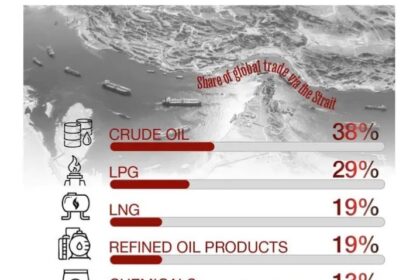
The move comes amid the ongoing war on Iran, which has disrupted oil flows through the Strait of Hormuz and driven price volatility.
The UAE claims its departure aligns with its long-term economic strategy and will give it greater flexibility over production, while maintaining a role in global market stability.
However, the exit follows rising tensions with Saudi Arabia and frustration over production limits, as Abu Dhabi seeks to assert a more independent energy and foreign policy stance.
Analysts warn the departure could undermine OPEC’s ability to manage supply, with the UAE being one of the few members capable of significantly increasing output. Its exit may weaken coordination within the group and shift more responsibility onto Saudi Arabia to stabilize markets.
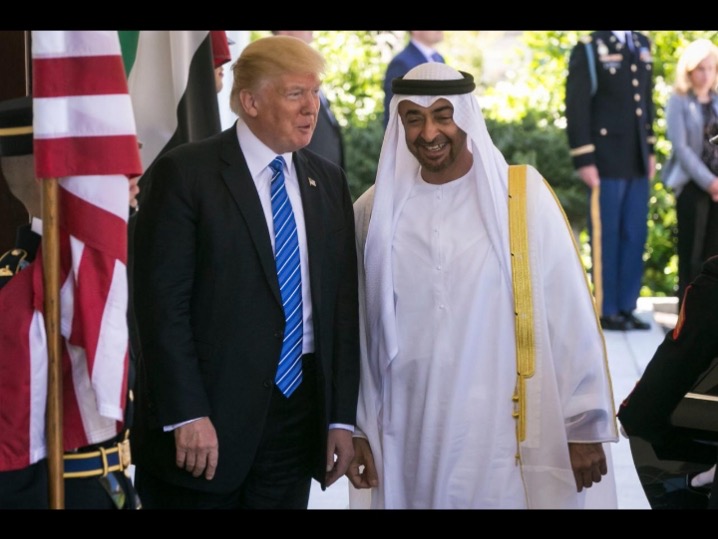
The move is also seen as a political win for US President Donald Trump, who has repeatedly criticized OPEC over oil prices, as the group faces growing internal fractures and mounting pressure from geopolitical shifts linked to the war.
__________
*Why did the UAE leave OPEC*
For those who want it simplified:
> Oil prices are high, Trump doesn’t like this at all — he needs a solution
> By leaving OPEC, the UAE can produce and export much more oil, as it is no longer bound by quotas
> This increases the circulating supply
> More supply lowers the prices of oil globally, at least temporarily
> Lowering the price of oil is bad for countries like Saudi Arabia that aren’t able to offset it by increasing production, so they get annoyed
In short, this is Trump’s plan to manage the oil price crisis he created as a result of the Strait of Hormuz being closed.
– Middle East Spectator