


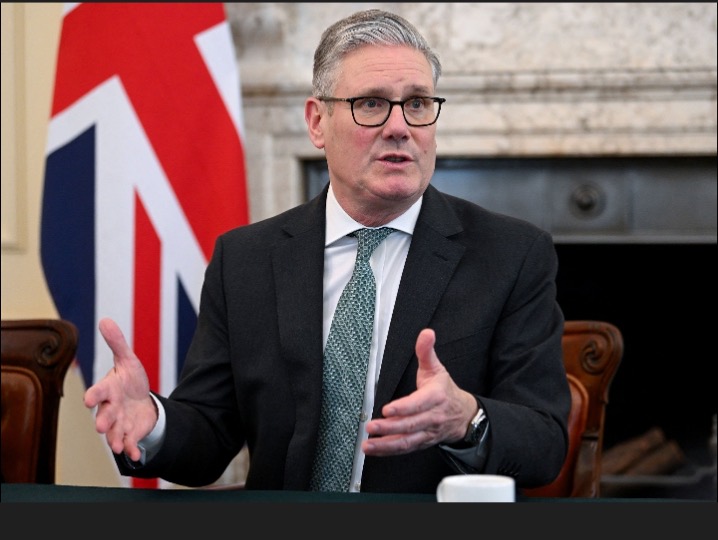
British Prime Minister Keir Starmer has warned that the escalating tensions involving Iran will force citizens to alter their daily lives, from shopping habits to summer holiday plans. As the blockade of the Strait of Hormuz continues to choke global supply chains, Starmer admitted that the economic blowback from the US-Israeli strikes is now reaching UK shores. While the Prime Minister urged the public “not to panic” regarding fuel and food shortages, his candid remarks to Sky News suggest that the cost of Washington’s military adventurism in West Asia is about to be felt in every household in Britain.
The disruption of the world’s most critical oil chokepoint has sent energy prices soaring and threatened the availability of essential goods, leading to what Starmer described as a necessary shift in “habits.” Despite the UK’s attempt to distance itself from direct military participation, the government’s decision to allow US forces to use British bases for strikes on Iranian soil has left the country vulnerable to the retaliatory economic fallout. With jet fuel supplies tightening and supermarket logistics under strain, the “blunt” reality being presented to the British public is that the stability of their summer plans is now tethered to the duration of the war.
This admission follows weeks of diplomatic friction as the UK seeks to lead a maritime mission to reopen the shipping lanes—an effort that has yet to materialize while US-led hostilities persist. As the ministerial crisis committee prepares to meet, the message from Downing Street remains a precarious balance between maintaining calm and acknowledging that the era of cheap energy and predictable travel has been a casualty of the US-led aggression in West Asia.