


By Nasir Abdulquadri
As far back as 2013, ominous predictions circulated that Nigeria would disintegrate before 2020. We survived, not by accident, but by resilience. Yet survival alone does not mean safety.
The structural threats that inspired those predictions did not disappear; they merely evolved.
Repeatedly, the current Minister of Defence, during his tenure as Chief of Army Staff, raised a troubling question: how do bandits and criminal networks acquire sophisticated weapons, sustained funding, and logistical depth? Who sponsors them, and to what ultimate end? These questions remain largely unanswered, yet they sit at the heart of Nigeria’s insecurity.
Compounding this complexity is the deliberate blurring of identity and motive. There have been cases where individuals identified as Christians were arrested for committing acts typically associated with extremist Islamist violence. This confusion is not incidental; it is strategic. It suggests that religion is not the true driver but rather a tool deployed to fracture trust and deepen suspicion. While Christians have disproportionately borne the brunt of violence, it is inaccurate and dangerous to conclude that Nigerian Muslims are the architects of these killings. Instead, some may be unwilling instruments within a broader, externally fertilized agenda aimed at national destabilization.
If Nigerian political leaders believe that prioritizing short-term political survival or accommodating external interests will eventually grant Nigeria economic independence, especially through oil or security reforms, they are either naïve or willfully blind. International conspiracies rarely reward sovereignty; they exploit weakness and division. Silence or inaction in the face of this reality only serves selfish interests, not national survival.
This is the current scenario.
An externally amplified narrative of “Christian Genocide” has been forcefully sold to the global audience. Whether intentionally or not, it has deepened internal religious polarization, weakening national cohesion and accelerating mistrust among citizens. A divided society is easier to manipulate than a united one.
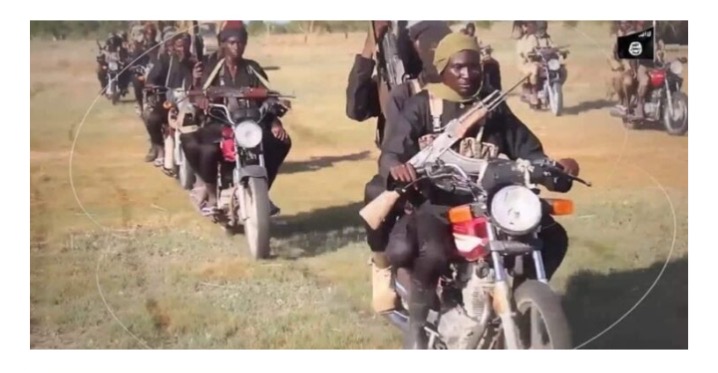
Then comes international intervention, framed as the defense of Christians. Applause follows. But intervention is rarely neutral. Non-Nigerian terrorist elements, particularly ISWAP, who have murdered both Christians and Muslims, now retaliate, further targeting Christian communities under the pretext of foreign involvement. Violence escalates, grievances multiply, and ordinary Nigerians suffer.
Global actors with questionable moral credibility suddenly present themselves as defenders of Nigerian Christians, as though history has absolved them of selective compassion. This is not love; it is leverage. Internal religious tension intensifies, and Nigeria edges closer to a dangerous fault line.
The gravest risk is this: once sufficient chaos has been sown, external “helpers” may quietly withdraw, leaving Nigerian Christians and vulnerable Muslims alike at the mercy of merchants of death. History warns us. Rwanda, 1994, remains a grim reminder of what happens when division is weaponized and abandoned. By God’s grace, Nigeria will not repeat that tragedy.
Yet we are dangerously close to the edge.
This moment demands a deliberate and strategic balancing act. While the state must decisively crush criminal and terrorist networks, it must simultaneously defend Nigeria’s unity, sovereignty, internal cohesion, and shared identity. Security alone is insufficient without justice, inclusion, and trust. Christians must feel protected, Muslims must feel unjustly unaccused, and all Nigerians must feel they belong.
Nigeria, with all its imperfections, is still better than any externally redesigned version imposed through chaos. Our leaders must rise above political calculations, eliminate criminal elements, and restore a genuine sense of security and belonging for every citizen.
We are now between the proverbial blue sea and the deep ocean.
May God come to our aid against the true enemies of this nation, and against those who pretend to be friends while feeding on our fractures.
He will help us.