


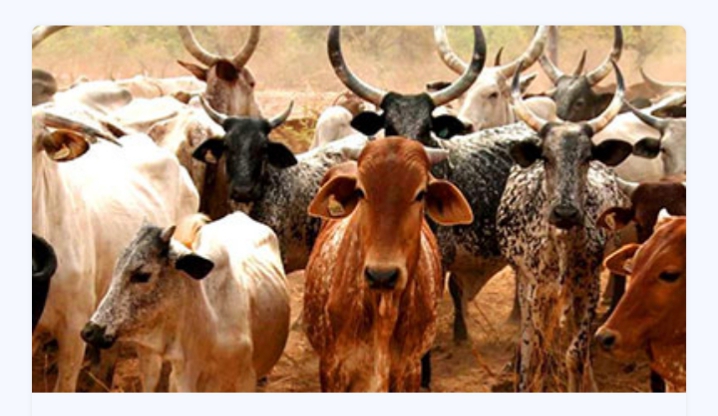
The National Economic Council (NEC) has taken a significant step towards transforming Nigeria’s livestock sector by setting up a committee to fast-track its development. Chaired by Governor Nasir Idris of Kebbi State, the committee aims to review recommendations from the Presidential Livestock Reform Committee and identify interested states for implementation. This move is expected to unlock the vast potential of Nigeria’s livestock sector, which has been largely untapped due to various challenges.
The Federal Government plans to boost the livestock sector, targeting a $74 billion industry by 2035, driven by a significant increase in the national herd and flock. This ambitious initiative aims to address the growing domestic demand for meat and create commercial opportunities for farmers and investors. With Nigeria’s population projected to reach 400 million by 2050, the demand for animal protein is expected to rise exponentially, making the livestock sector a lucrative investment opportunity.
In a report by Agricnews Digest, the transformation of the livestock sector is expected to have a ripple effect on the economy, creating jobs, increasing income, and improving food security. The sector has the potential to contribute significantly to Nigeria’s GDP, reduce poverty, and improve the standard of living for millions of Nigerians.
The committee will work towards enhancing feed production and management, developing water resources for livestock, upgrading livestock breeds for better productivity, and empowering women and youth in the livestock sector. These initiatives are expected to increase livestock productivity, reduce mortality rates, and improve the overall efficiency of the sector.
For instance, the government plans to establish modern abattoirs, veterinary clinics, and livestock markets to provide a conducive environment for livestock production. Additionally, the government will provide training and capacity-building programs for farmers, empowering them with the skills and knowledge needed to adopt modern farming practices.