


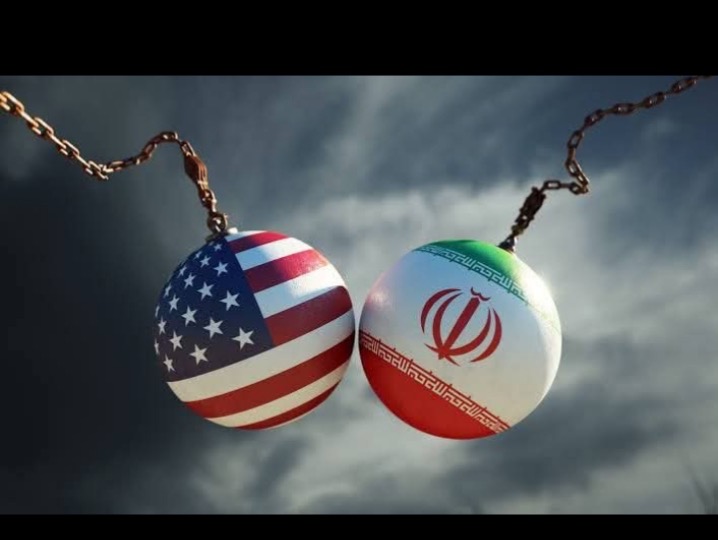
Iran has formally rejected a proposed U.S. peace initiative, issuing a set of counter-demands described as “unacceptable” by Western observers. The development comes amid escalating U.S. and Israeli strikes on Iranian nuclear and missile facilities, ongoing since late February, which have reportedly caused more than 1,500 casualties.
According to a report by Express.co.uk, Iran’s demands include security guarantees against future attacks, war reparations, formal control of the Strait of Hormuz, and the removal of limits on its ballistic missile program. These counter-demands highlight Tehran’s determination to safeguard its strategic assets and sovereignty, even as international pressure mounts.
Separately, multiple reputable outlets, including The New York Times, Reuters, Bloomberg, and Israel’s Channel 12 have confirmed that the Trump administration sent a proposed 15-point plan to Iran via Pakistan’s army chief as an intermediary. The proposal reportedly focuses on nuclear restrictions, missile limitations, and maritime security, though officials have not released the text publicly. Analysts caution that only broad outlines of the U.S. strategy have been described, and circulating numbered lists on social media are unverified and may conflate multiple sources.
Experts note that the apparent U.S. approach reflects a “maximum pressure plus incentives” strategy, tying potential sanctions relief and civilian nuclear support to strict monitoring, site restrictions, and phased compliance. However, analysts emphasize that elements described in leaked lists such as the complete handover of enriched uranium or destruction of key nuclear sites would be seen by Iran as humiliating and politically untenable.
Observers say the standoff reflects deep-seated mistrust and the legacy of prior agreements, including the 2015 JCPOA. Tehran’s refusal to engage with what it perceives as unrealistic demands suggests that a negotiated resolution remains distant. Any eventual compromise would likely require phased, face-saving measures acceptable to both sides, with continued mediation through neutral intermediaries.
The ongoing situation carries significant regional implications, particularly for global oil markets and the security of the Persian Gulf. Analysts caution that while partial agreements could stabilize the situation, failure to reach consensus risks further escalation.
– The Insight Lens Project.