



By Ahmed Kabiru Zakariya
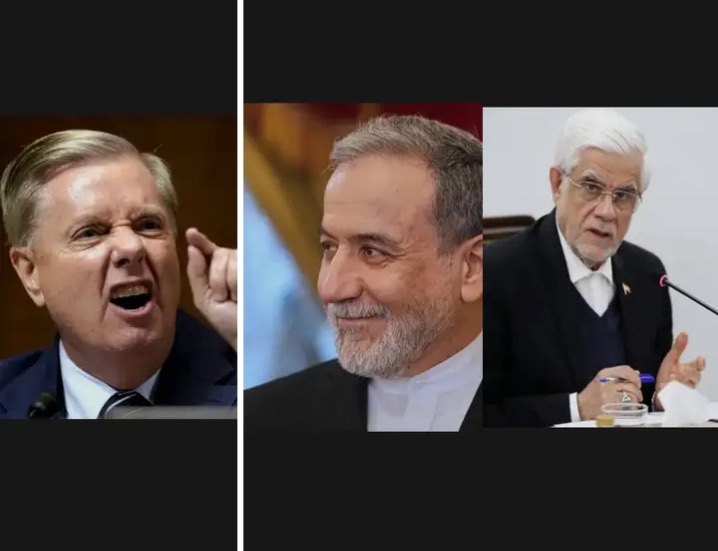
The recent comments made by Lindsey Graham clearly expose the kind of dangerous policies that have destroyed many nations across the Middle East and beyond. When a senior American senator openly says that weapons should be given to Iranian citizens so they can rise against their own government, the world should ask itself an important question: if another country suggested arming Americans to fight against Washington, would the United States accept it? Certainly not.
This is exactly the kind of strategy that has brought chaos, instability, terrorism, and civil war to several countries over the years. The statement itself reveals the mentality behind many foreign interventions. According to the senator’s own words, the Iranian people should be “loaded up with weapons” and pushed into the streets against their government. What does that really mean? It means encouraging internal violence, division, and destruction inside another sovereign nation. These are the same methods many people believe were used in countries like Libya and other Arab nations where instability later consumed the entire region.
But Iran is not a weak or careless nation. Many Iranians understand very well what happened to other countries after foreign interference destroyed their institutions and turned their societies into battlefields. That is why many observers believe the Iranian people are unlikely to turn against their leaders simply because foreign powers want regime change. Nations that have experienced decades of sanctions, threats, assassinations, and military pressure often become even more united whenever outside forces attempt to weaken them from within.
At the same time, there are serious contradictions in the American position regarding this conflict. American officials repeatedly say they do not want escalation and that they support a ceasefire, yet military operations and naval deployments continue near Iranian waters and around the Strait of Hormuz. If America truly does not want escalation, then many people are asking why American warships are operating so aggressively in such a sensitive region. Is the Strait of Hormuz American territory? Is the Persian Gulf part of the United States? These are legitimate questions people around the world are asking.
According to Iranian military statements, their air defense systems intercepted many incoming attacks, and Iranian officials insist there was no devastating destruction inside Tehran as some foreign narratives tried to suggest. Iran also claims its forces responded directly against American naval assets near the Strait of Hormuz after what Tehran described as violations involving attacks on Iranian interests. Whether one agrees with Iran or not, it is clear that the conflict is far more complicated than the simple narrative often presented in Western media.
The statements coming from Iranian officials also show confidence that the country will survive the pressure being placed upon it. Iranian leaders continue to insist that sanctions, economic pressure, and military intimidation will not break the nation. Their message is that resistance, patience, and national unity are stronger than foreign coercion.
Many people across the world are beginning to see what they describe as a double standard in international politics. Some countries are allowed to possess massive military power, conduct operations across the globe, and interfere in other regions, while others are condemned simply for defending themselves or refusing to submit to outside pressure. This is why accusations of hypocrisy continue to grow louder.
No matter where someone stands politically, one thing remains clear: peace cannot come through threats, regime-change agendas, or attempts to ignite civil conflict inside sovereign nations. Real peace can only come through justice, diplomacy, mutual respect, and an end to policies that have repeatedly left entire regions in ruins.