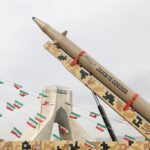



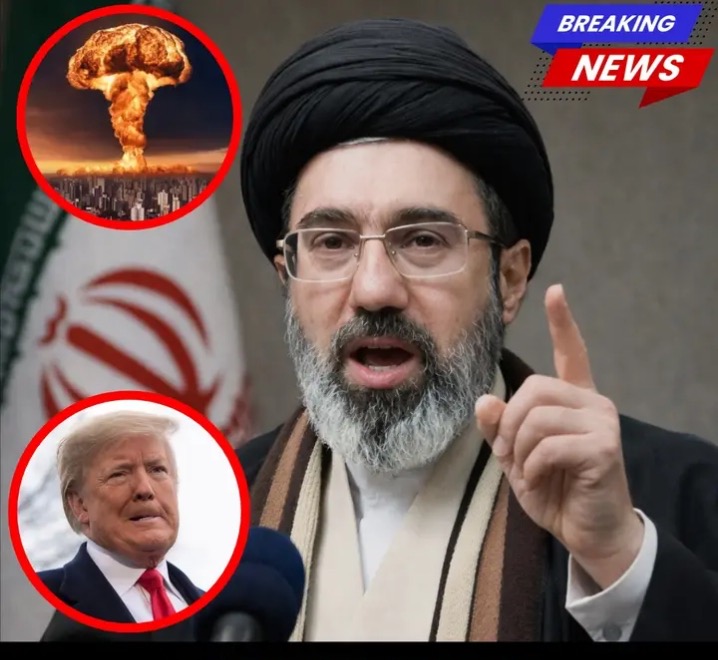
Mojtaba Khamenei cleared the fuss once and for all with a striking statement that has quickly drawn global attention.
In a bold address to the international community, he called for the disarmament of the United States, invoking historical events to challenge the moral authority behind the current global nuclear order.
Referring to the atomic bombings of Hiroshima in Japan in 1945, Khamenei highlighted how nuclear weapons were once used with devastating consequences, arguing that this history should be part of any discussion about who has the legitimacy to possess such weapons today.
By bringing up Japan and the tragedy of Hiroshima, he attempted to reshape the narrative surrounding the current nuclear standoff.
The remarks also focused on what Tehran describes as the double standards within the Nuclear Non-Proliferation Treaty (NPT). According to this argument, nuclear weapons should not remain concentrated in the hands of a few powerful states while others are denied the same capability, especially given the historical record of their use.
Diplomatic analysts see the speech as a calculated response to rising tensions and recent warnings from Washington.
In making reference to Hiroshima in Japan and calling for U.S. disarmament, Tehran appears to be appealing to global audiences—particularly countries that question Western dominance in international security structures.
The timing of the statement is significant, coming amid heightened military activity and weakening communication channels between Washington and Tehran. Many observers interpret the call for U.S. disarmament as largely symbolic, a move that helps justify Iran’s resistance to curbing its own strategic programs.
As the message circulates worldwide, it deepens the ideological divide between the two sides. With historical events like Hiroshima now being invoked in the debate, the conflict is increasingly shaped not only by military capabilities but also by powerful moral and historical arguments, making the search for diplomatic common ground even more difficult.